
Healthy eating habits are not about following a strict diet or completely avoiding your favorite foods. It is about building simple food habits that give your body a variety of nutrients and fit comfortably into your everyday routine.
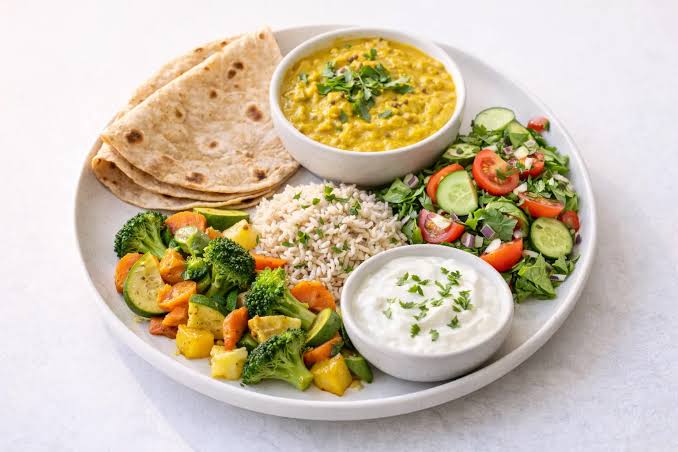
1. Include More Whole Foods
Try to include foods that are close to their natural form, such as fresh fruits, vegetables, whole grains, pulses, nuts, and seeds. These foods can add a variety of nutrients to your meals and make your everyday diet more diverse.
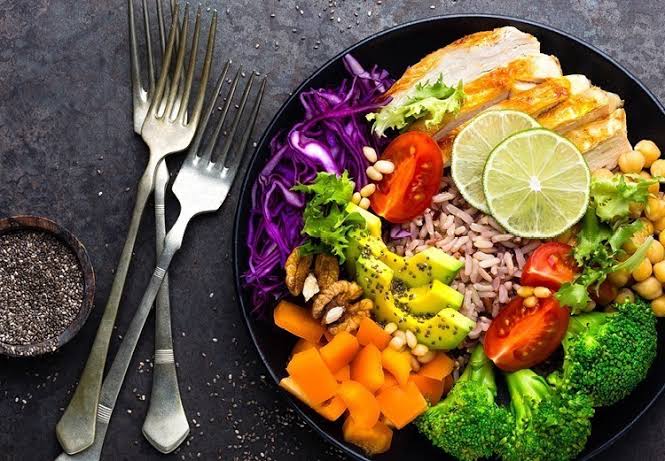
2. Build Balanced Meals
Instead of focusing on one type of food, try to make your meals more varied. A simple meal can include vegetables, a source of protein such as dal, beans, paneer or curd, and a suitable portion of grains. This approach can make meals both satisfying and nutritious.
3. Add Variety to Your Plate
Eating different foods throughout the week can make your meals more interesting and help you get a wider range of nutrients. Rotate seasonal fruits and vegetables and try different pulses, grains, and healthy homemade dishes instead of eating the same foods every day.
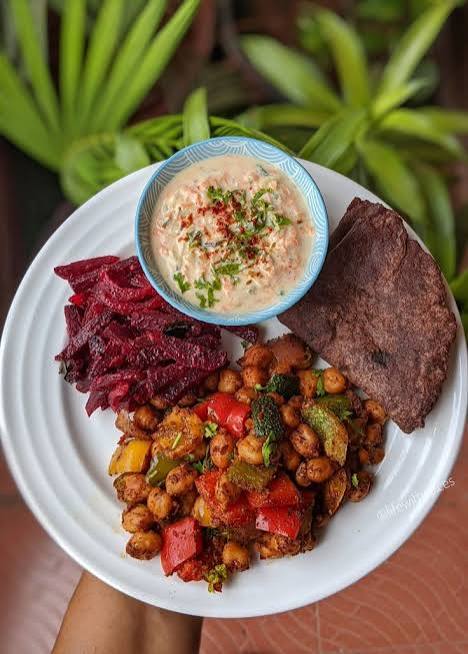
4. Drink Enough Water
Water is an important part of everyday wellness. Keep water available during the day and make drinking it a regular habit. If plain water feels boring, you can add natural flavors such as lemon or mint for variety.
5. Plan Meals When Possible
A little planning can make healthy eating easier during busy days. Before the week begins, think about a few simple meals you can prepare at home and keep basic ingredients ready. This can reduce the temptation to skip meals or rely on whatever food is available at the last minute.
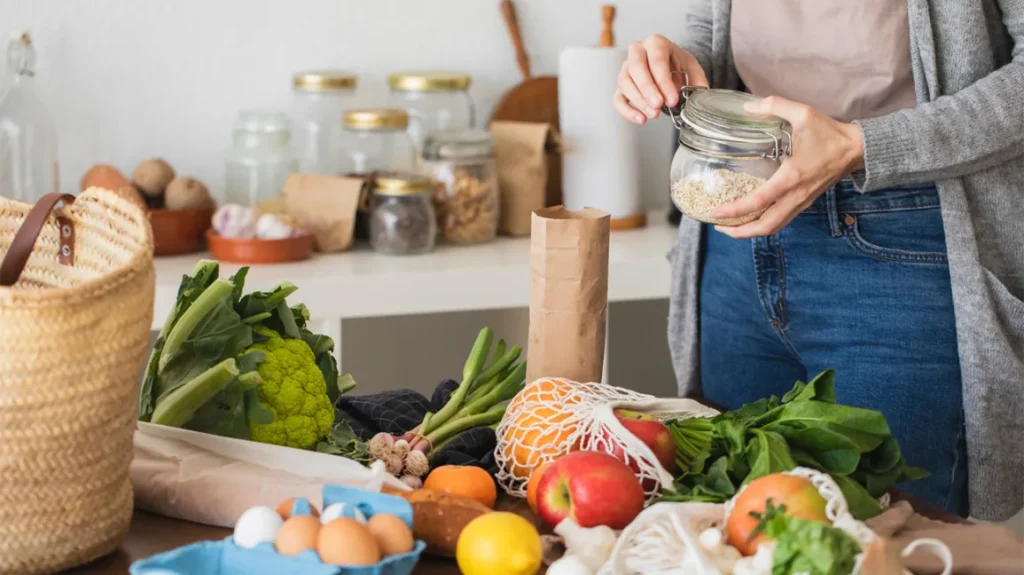
6. Pay Attention to Portion Sizes
Healthy foods can still be enjoyed in sensible portions. Instead of filling your plate with one type of food, try including different foods in reasonable amounts. Eating slowly can also help you notice when you feel comfortably full.
7. Choose Homemade Meals More Often
Cooking at home gives you more control over the ingredients and preparation methods used in your meals. Simple homemade dishes such as dal, sabzi, roti, rice, khichdi, or vegetable pulao can be part of a balanced eating routine.

8. Make Fruits and Vegetables a Regular Part of Meals
Try to include different fruits and vegetables throughout your week. You can add fruit to breakfast, include vegetables in lunch and dinner, or keep a seasonal fruit ready for a simple snack. Choosing different colors and varieties can make your meals more interesting.
9. Limit Highly Processed Foods
You don’t have to completely avoid packaged or processed foods. However, try not to make them the main part of your everyday meals. When possible, choose simple homemade foods and keep highly processed snacks and sugary drinks as occasional choices.
10. Make Healthy Eating Sustainable
The best eating routine is one that you can realistically follow. Don’t aim for perfection or make too many changes at once. Start with one or two small habits, see what works for you, and gradually build a routine that feels comfortable and enjoyable.
Conclusion
Healthy eating can be simple when you focus on practical habits instead of strict rules. Include a variety of foods, drink enough water, plan meals when possible, and enjoy homemade food regularly. Small and consistent changes can help make balanced eating a natural part of your lifestyle.
Disclaimer: This article is for general wellness information only and is not a substitute for professional medical advice.